


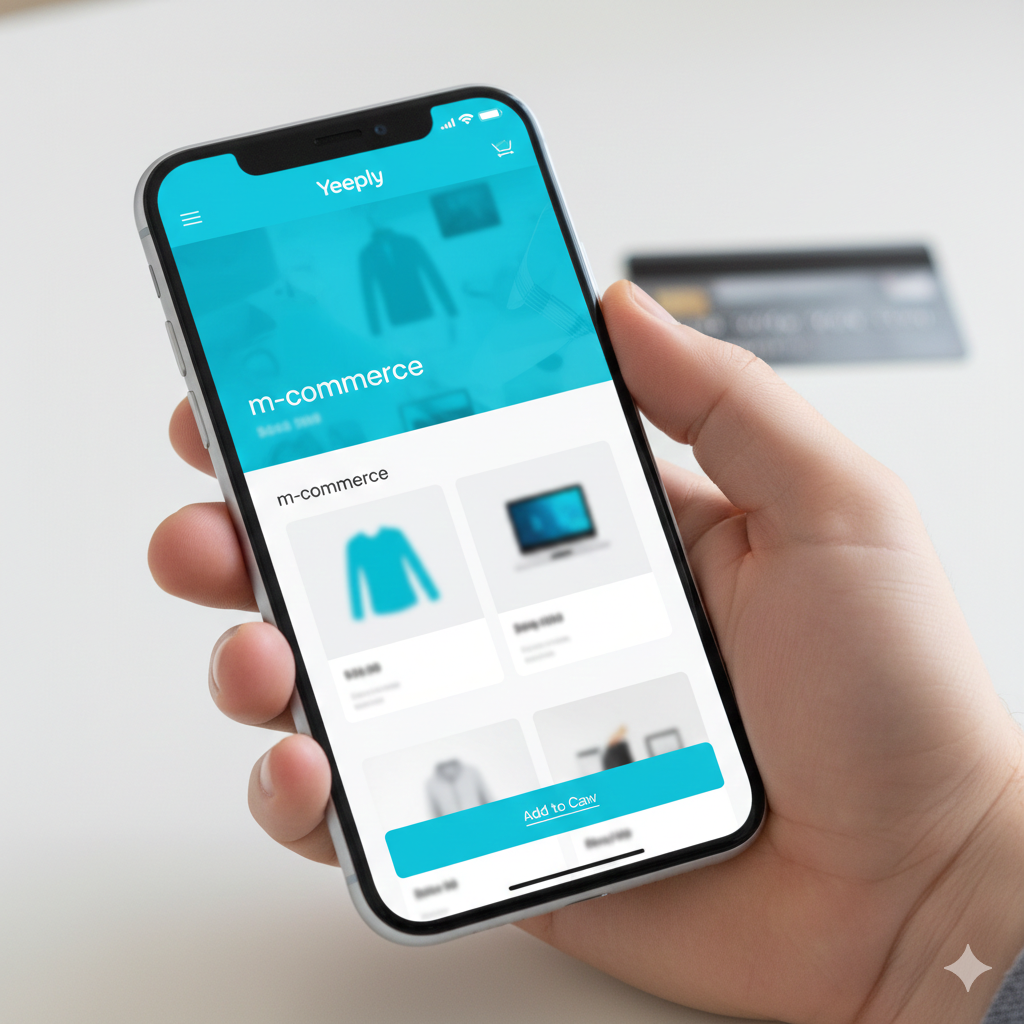
Mobile devices are increasingly present in our daily lives and activities — to the point where shopping from a smartphone has become completely normal. In fact, m-commerce applications have gained strong momentum in Spain.
This type of mobile and online commerce generates around €2.5 billion, according to the Mobile Commerce 2013 study by Online Business School. In percentage terms, purchases made from mobile devices already account for 6% of total e-commerce. Many of these purchases are made through m-commerce apps, such as games with in-app purchases, which are specifically designed for mobile transactions.
The convenience and speed of m-commerce have made it a fast-growing global trend, both in Android and iOS app development, with particularly strong adoption in Spain. As a result, more and more businesses are choosing to develop mobile applications to meet this demand.
Designing apps for m-commerce
Choosing to develop m-commerce applications is one of the most popular options today. However, to design these apps correctly, it’s essential to follow a series of tips and best practices to optimise both performance and profitability.
Screen size
Keep in mind that you’re designing for a much smaller screen. Content must be easy to view and navigate. Designs that work well on desktop websites often need to be simplified and adapted for mobile screens.
Content
As with most mobile content, it’s best to get straight to the point. Information should be concise and focused on what really matters. Product features should be clearly explained, images must be visible and appropriately sized, and pricing should always be clearly displayed — after all, the main goal of the app is to sell products.
Simplicity and usability
A simple, intuitive menu will always be better received by users. Usability is one of the key success factors for any app. Even if an app meets all technical requirements, if it’s difficult to use, users will abandon it — and it won’t achieve its purpose.
That’s why m-commerce app design and development should always focus on making the user journey as easy as possible. Features like visible search bars at all times are a highly effective addition that significantly improves usability.
Geolocation
GPS systems available on almost all smartphones make geolocation one of the most powerful tools for mobile marketing. When used correctly, location-based features can enhance user experience and support personalised offers and services.
Payment security
Reinventing payment systems has been one of the biggest changes brought by e-commerce. In mobile shopping, physical money is no longer used, and transactions rely on alternative methods such as credit cards, bank transfers, PayPal and other digital payment solutions.
When developing m-commerce applications, special attention must be paid to payment security. It’s essential to guarantee safe and reliable transactions for both customers and businesses, building trust and reducing friction in the purchasing process.
Related posts

Prohibited AI Systems Under the EU AI Act: What Is Already Banned in Europe
What AI systems are already banned in Europe under the EU AI Act since February 2025: emotion recognition at work, social scoring, real-time biometric identification and more.
What Is RAG? How to Build an AI That Answers From Your Company’s Data
What is RAG? A plain-English guide to AI that answers from your company's documents: how it works, permissions, security, costs and use cases. Prices included.

EU AI Act Compliance Roadmap for Businesses: Deadlines and Priorities in 2026
Step-by-step AI Act compliance roadmap for 2026: which deadlines have already passed, what August 2026 brings, and how to prioritise actions based on your AI system type.

What Is the EU AI Act and Does It Apply to Your Business? (2026 Guide)
Practical guide to the EU AI Act 2026: risk pyramid, who must comply, deadlines already in force and fines of up to €35M. What UK businesses developing or using AI need to know.
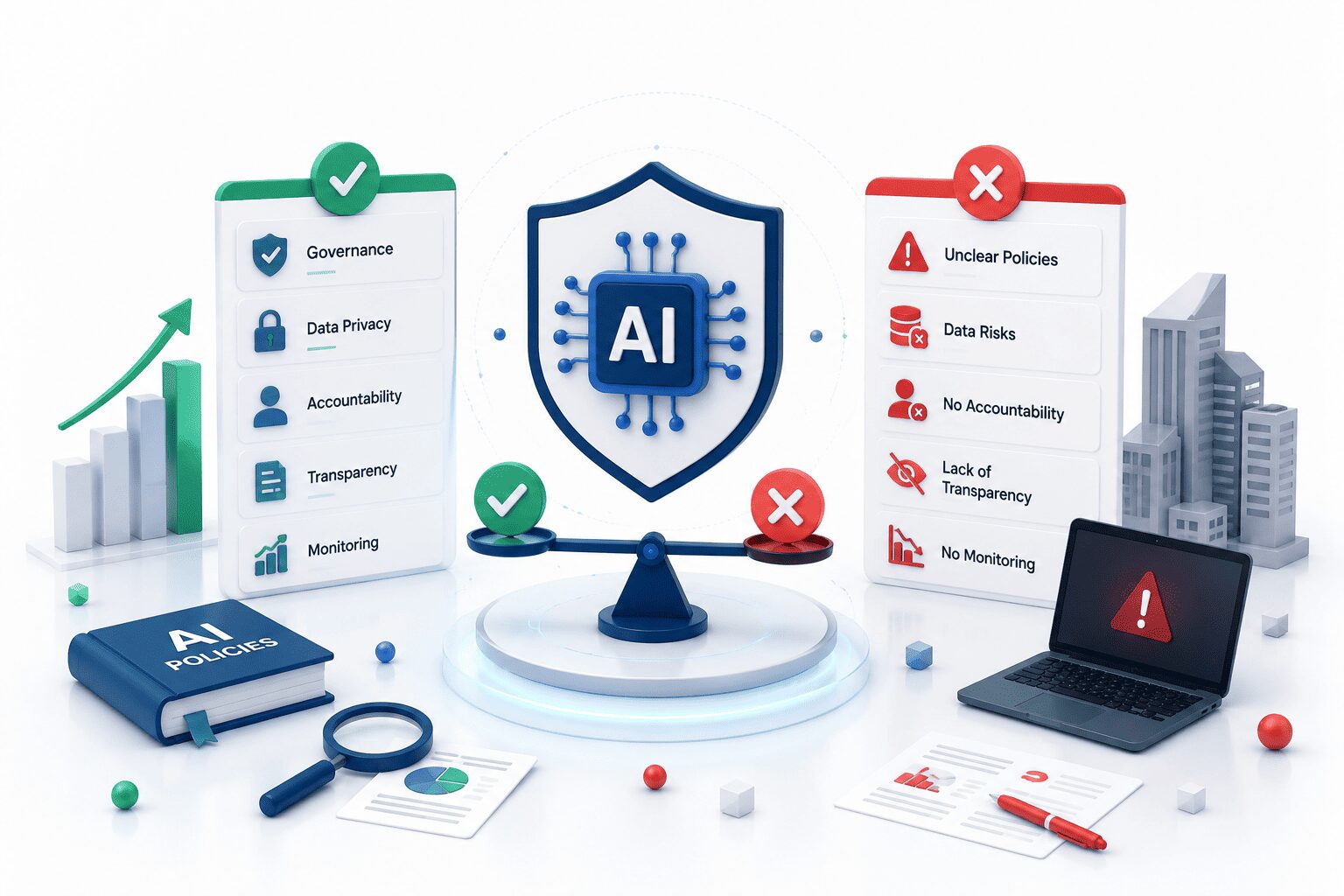
AI Governance in Software: What UK Enterprises Are Getting Right (and Wrong) in 2026
What good AI governance looks like in practice for UK enterprises: what companies are getting right, what they miss, and the regulatory landscape for 2026.
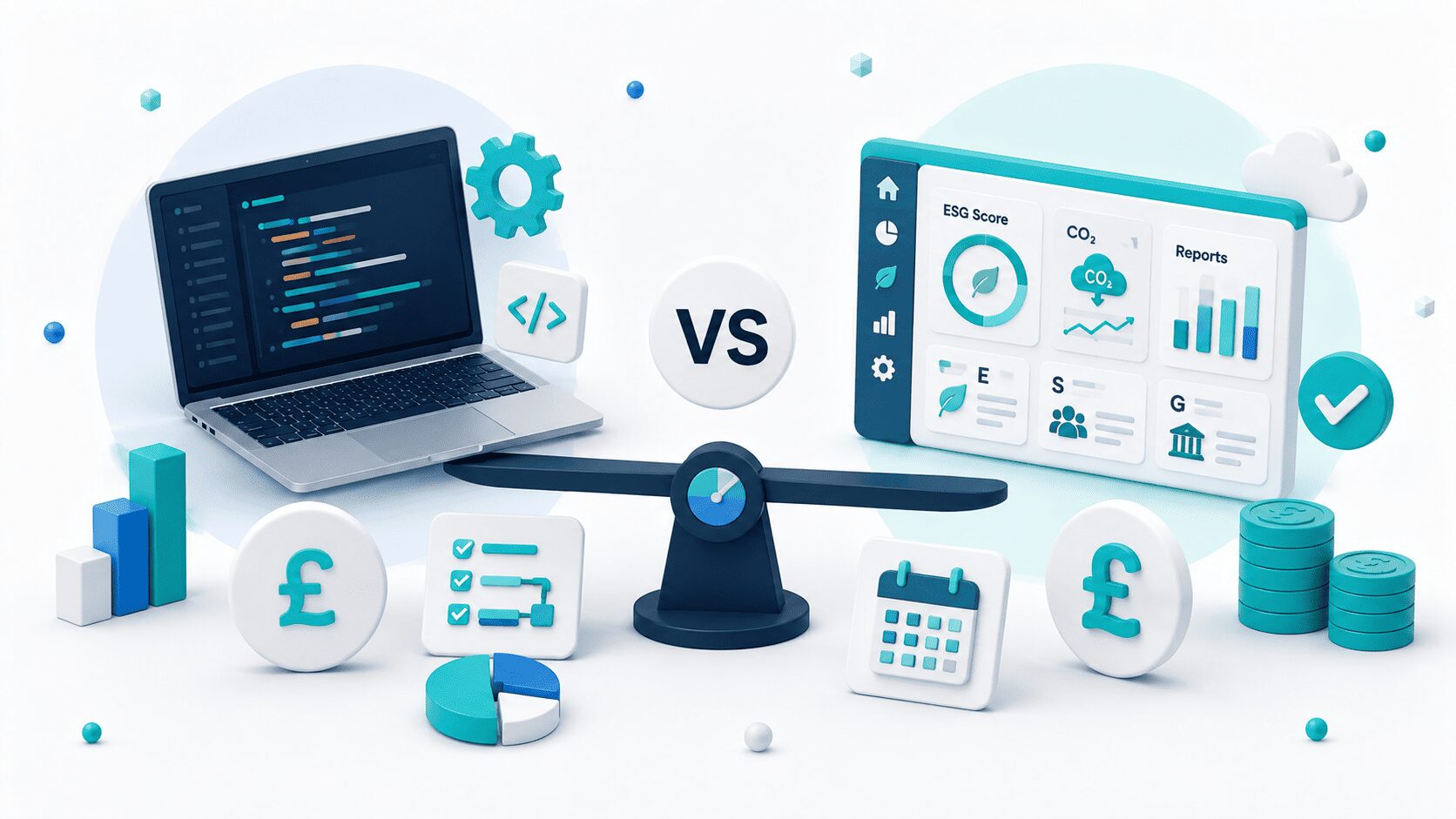
Custom Software vs Off-the-Shelf ESG Platform: A Cost Comparison for UK SMEs
Build vs buy for ESG reporting software: licence costs, integration reality, and when custom development makes more sense than an off-the-shelf platform.
AI Integration Costs for Enterprise Apps: What UK Businesses Actually Pay
Real figures for AI integration in UK enterprise apps: chatbots, document processing, fine-tuning. Plus the hidden costs nobody quotes upfront.
ESG Software Requirements: What UK Companies Need to Build Before the UK SRS Deadline
What software UK companies need to build or buy before the UK SRS deadline: data integration, reporting, audit trails and realistic timelines.

How Much Does a Penetration Test Cost in the UK? (2026 Prices)
Real penetration testing prices in the UK for 2026: from £3,000 for a basic web pentest to £80,000 for red team. What's included, what drives costs, and how to hire without overpaying.

How Much Does Enterprise App Development Cost in 2026? Real Prices by Project Type
Enterprise app development costs in 2026 vary widely by project type, technology, and team location. Here are real price ranges and what drives them up or down.